Girlpower Marketing
A communications, influencer & brand experiences agency
  • About
  • Blog
  • Approach
  • Services
    • Social Media & Digital Marketing
    • Content Marketing & Creation
    • Influencer Engagement
    • Brand Positioning
    • Traditional & Digital Media
    • Events & Brand Experiences
    • Creative Design
    • Research & Insights
    • Marketing to Women
  • Work
    • Case Studies
  • Insights
    • Blog
    • In the News
    • The Purchasing Power of Women
    • White Paper
  • Pick My Brain
  • Contact

Ensure Success with the Right PR & Digital Marketing Agency

digital marketing agency

Hiring the right PR & Digital Marketing agency will have a tremendous impact on the success or failure of your communications program. But with the increasing number of agencies, consultancies and solopreneurs out there today, the choices have gotten almost too plentiful.

So how do you narrow down the possibilities to find the firm that best suits your needs?

One of the biggest mistakes clients often make is not stopping to really think about what their needs are – what unique skill sets they need in an agency. So take a hard look at what you need. Do you need a content marketing strategy? To generate more sales leads? Think about your business goals, and take a strategic approach to identifying the agency that will be the best fit for your brand.      More

Consumer Travel Trends for 2018

travel trends 2018

Whether travelers are dreaming about getting away, or planning a trip, their experience occurs in micro-moments. These micro-moments happen in various stages, from when they are initially dreaming about a vacation, to the planning process, booking the trip, and finally the anticipation of the trip itself. Travel brands need to plan and create a strategy for engaging with travelers in each of these moments by being helpful and relevant every step of the way.

Brand loyalty is in short supply in the travel industry because consumers are more loyal to their own needs and their desire to get the best deal.  Those planning a trip search multiple websites, apps and price aggregators to get the lowest possible price. To be competitive, marketers need to anticipate each micro-moment and stay on top of what’s happening in the travel industry. Following are some of the most significant trends for 2018 consumer travel.      More

4 Trends That Will Change Your Consumer Marketing in 2018

consumer marketing trends

Consumer marketing trends are always evolving, especially as new technology becomes available. This year has been all about the influencer, but next year we’re likely to see some big changes surrounding augmented reality and artificial intelligence.

Take a look at the trends we expect to see in 2018.      More

Put Boomer Women on Your “Nice” List This Holiday Season

boomer women

Today, every fifth adult in the United States is a female over 50. They are the healthiest, wealthiest and most active generation of women in history who control half of the country’s discretionary income and 75% of the country’s wealth. That’s a lot of spending power for one generation of women. It’s a mystery why marketers ignore Boomer women, even during the holidays, but ignore them they do.

During the holiday season, this generation of women likes nothing more than to spoil their families. They buy food to create memorable family meals, and gifts for family members, spending a collective $35 billion on grandchildren alone. It seems clear that marketers would target this group as much as any other. Instead, they spend less than 10% of their holiday marketing budgets targeting Boomers. It’s time for marketers to put Boomer women on their “nice” list this holiday season.      More

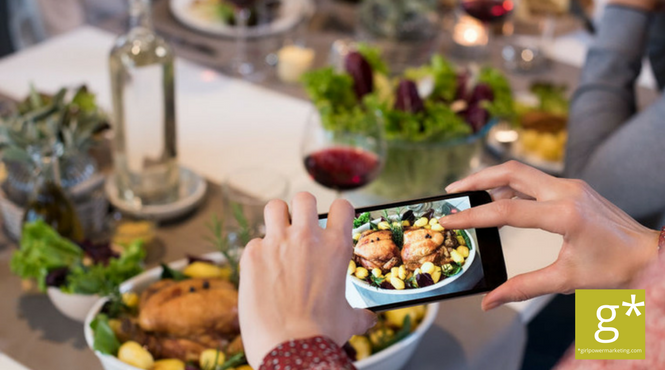
Food and Beverage Marketing: Reshaped by Influencers

food and beverage marketing

The marketing word of the year, if not “video,” must be “influencer.” Not even celebrity endorsements carry the same weight as recommendations made by popular online personalities. These bloggers and social media stars have changed the way we approach social influence, especially in the food and beverage marketing industry.

All indications are that influencer marketing isn’t going away anytime soon. Consumers are more likely to trust someone they know or follow than they are to believe the brand itself. As more and more brands come to terms with this reality, influencer marketing will only continue to grow. Here’s how we think influencers will impact food and beverage marketing in 2018.      More

Health & Wellness Marketing Trends: Content is Still King!

health & wellness marketing

Health and wellness have become a global movement, as consumers look for ways to live healthy lives for as long as possible. Every brand category, from food and fitness to travel and financial services are framing themselves in terms of wellness. Food is linked to aging well and stress management. Sleep is linked to productivity and beauty. Fitness is linked to mental agility.

And though trying to be healthy certainly isn’t a new trend, consumers are now approaching their health in different ways. Back in the day, good health meant you had your annual physical, limited your salt and sugar intake, and got regular exercise. But with the growing obesity and the chronic disease epidemics in the U.S., it’s certain that the health and wellness category will continue to explode as consumers move toward more aggressive preventative care. Social media and the wealth of online content are empowering consumers to take charge of their health more than ever before.      More

The Role of PESO in Your Content Marketing Strategy

PESO content strategy

Created by Spin Sucks founder Gini Dietrich, PESO stands for Paid, Earned, Shared, and Owned media, and defines the different channels your business can use to reach customers with your content.

Paid Media: Includes anything paid for, such as sponsored posts, search engine advertising such as Google AdWords, Twitter or Facebook ads, and banner ads.

Owned Media: This is original content that you own and resides on your website and social media accounts, including blog posts, online videos, eBooks, shareable images, webinars, white papers, and podcasts.      More

4 Strategies for Marketing to Moms During Back-to-School Shopping

marketing to moms

That sigh of relief you hear across the nation is the collective hallelujah as moms send their bundles of joy back to the classroom this fall. Preparing for back-to-school can be an exciting time of year for both parents and students, but it can also be a time of extreme stress, something to consider when marketing to moms who continue to be the primary back-to-school shoppers for kids in elementary and middle school.

According to the 2017 Deloitte Back-to-School Survey, back-to-school shopping impacts about 29 million U.S. households, representing $27 billion in sales. This year’s survey marks some key findings:      More

Surge in Female Economic Power Impacts How Brands Market to Women

female economic power

As female economic power continues to explode, now, more than ever, marketers need to understand how to reach these key decision makers. Because 91% of women still say that advertisers don’t understand them.

The average U.S. woman is projected to earn more than the average man by the year 2028. In the United States alone, women control up to $15 trillion annually. As incomes grow, women’s spending power and influence do, too.

Women are responsible for 85% of consumer household purchases—from cars to healthcare, to family vacations—and that power is growing by the day. With such growth drivers as delayed marriage and children, educational attainment, rising incomes and breadwinner status (women are the primary breadwinner in 40% of U.S. households with kids under 18), almost all income growth in the U.S. over the past 15 or 20 years has come from women.

Brands need to look beyond the superficial and understand that the women’s market isn’t a niche–it’s a driving force. Women respond to marketing messages that show marketers understand them, and that portray them in a strong and powerful way. Following are tips to consider when you market to women.

Remember There is No “One” Woman

There is no “one” female demographic; the female market is huge and diverse. From baby boomer women who are experiencing a healthier, wealthier lifestyle as they inherit from parents and spouses to the single professional who has more discretionary spending because they are child-free, each female sub-set has its own unique interests and values that influence purchasing behaviors.

It’s About the Benefits, Not the Features

Understand the differences between men and women, without being patronizing. While men typically focus on exterior styling and horsepower, a woman may or may not care. But tell her how the vehicle can make her life easier and safer and watch her perk up. Fuel economy, safety features, the number of cup holders, built-in cold storage, and third-row seats.  Depending on the life stage she’s in, any of these more practical points will be important to her.

Focus on Time-Saving Solutions

With 70% of women with children under 18 in today’s work force, many women are working both inside and outside of the home. They are multi-taskers seeking solutions and work-life balance. Opportunities to provide stress-management solutions, convenience, timesaving products, and one-stop shopping opportunities will earn her patronage and loyalty.

Lose the Stereotypes

“Shrink it and pink it” is probably the most common stereotype when brands market to women, but there are others that may not be quite as obvious. For instance, 41% of mothers had a child outside of marriage this year. That’s 41% of your audience that doesn’t connect with marketing messages about traditional, nuclear families. Women appreciate marketers who acknowledge their accomplishments, both at home and in the workplace, and show them in roles of empowerment.

Are you confident in your marketing to women strategies? Creating engaging, thoughtful campaigns that reach female consumers is what we do. Please reach out if you’d like to talk about how Girlpower Marketing can help your brand.

Smart Marketing to Pet Owners in 2017

marketing to pet owners

Americans today see their pets as extended family members and are taking more of a parental role with their furry loved ones. This humanization of our pets has been instrumental in building the U.S. pet industry into the seventh largest retail industry in our country, reaching nearly $67 billion in spending last year. That means marketing to pet owners is a big deal, too.

The Demographics of Pets

The fastest-growing groups of pet parents are empty nesting Boomers and Millennials. While today’s Millennials may be putting off having children due to college loans and lower starting salaries, they are sparing no expense when it comes to their pets. And empty nesting Baby Boomers see their pets as the new children in the home. These two groups combine to make up the largest percentage of the population with the money, time and emotional space to treat their pets as the kings and queens of the households.

Purchasing Trends

According to Mintel research, the growing trend toward humanizing pets has led to increased specialization of pet products and services. Pet owners aren’t just purchasing food, veterinary services, and toys. Many are utilizing pet psychologists, doggie spas and daycare for their pampered pets. They’re purchasing high-end natural foods, clothing from pet boutiques, and seeking out homeopathic treatments. Other pet services increasing in popularity include massage, portrait photography, pet behavioral consulting and mobile grooming.

The attachment owners feel for their pets has also led to a significant rise in sales of products driven by technological advancements. In addition to webcams and smart feeders, 68% of pet parents are purchasing microchips for their fur babies.

Marketing to Pet Owners

For today’s marketers, pets may be the ultimate influencers. Pet owners are no strangers to social media, with many having Instagram accounts for their pets and 65% sharing pet posts at least twice a week.

Brands are also jumping on the bandwagon, with Jet Blue posting about Marnie the Dog and other brands using popular pet influencers to drive visibility and engagement. The biggest increase in participation is on Instagram, where brands are seeing up to 295% more comments on content relating to pets.

Those who are smart about marketing to pet owners are working to cash in on this trend, with a combination of social media campaigns, content marketing, and witty Facebook Live and YouTube videos designed to touch emotions, build awareness and drive sales.

Understanding your consumer is key to engaging them. And that’s what Girlpower Marketing specializes in. For more information on engagement strategies that will get your product or service noticed by today’s pet owners, give us a call.

«< 5 6 7 8 9 >»

Subscribe to Our Blog

* indicates required

RSS feed for Our Blog

Search Our Blog

Recent Posts

  • Cracking the Code: How Influencer Marketing Can Drive Female-Centric Brand Success in 2024
  • Staying Ahead of the Game: The Importance of Content in Your 2023 Consumer Marketing Strategy
  • How Social Media and Influencer Marketing Will Propel Your CPG Brand Through a Recession
  • Making the Most of Food and Beverage Marketing During a Financial Downturn
  • Is Content Marketing Your Key to Capturing New Customers?

Recent Comments

  • Women in tech: Women Need to Stand up | Krissy Meehan Mashinsky on Women’s Purchasing Power
  • Ideazon Shares: 3 Elements Your Campaign Needs When Launching Female Targeted Brands on Marketing To Women: 30 Stats To Know
  • Dani Max on Marketing to Moms Through Social Media
  • Medium - Blogs - Genneve - Genneve on Women’s Purchasing Power
  • Femtech Startups Are Finally Innovating for Menopause – World Top Business Systems on Women’s Purchasing Power

Archives

Tags

21st Century Moms Baby Boomer women Boomer women boomer women's purchasing power boomer women consumers brand marketing consumer marketing consumer purchasing Content marketing content marketing strategy COVID-19 digital marketing digital moms Facebook female consumers female consumption power female marketing food and beverage marketing Generation Z global trends influencer marketing marketing to baby boomer women marketing to moms Marketing to Women mommy bloggers moms moms online moms parenting styles online moms parenting parenting teens purchase power of moms recession marketing social media social media marketing social media moms social networking tech moms technology and moms teen years tween boys women's purchasing power women's shopping preferences women consumers women shopping online

Back to top

© Girlpower Marketing 2022 | Privacy Policy